— Guide · June 2026 · 20 min read
Modular Kitchen Design in Bangladesh: A 2026 Guide for Homeowners
Plan a modular kitchen that survives Bangladesh's humidity — 2026 costs, materials (BWP marine ply, PU, acrylic), layouts, and the specifications that hold up for decades.

Mahedi Hasan
Digital Marketing Strategist
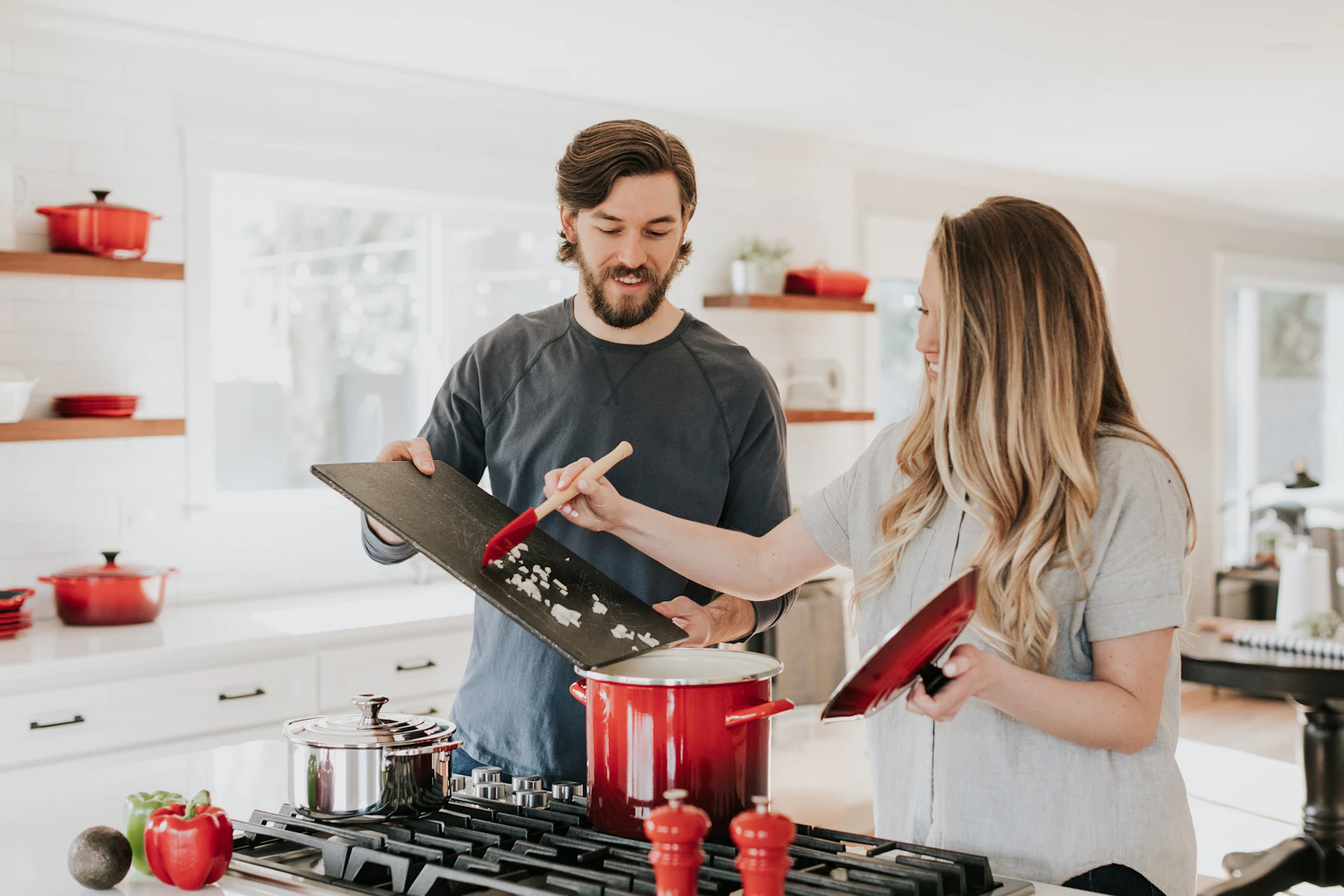
The modular kitchen is the single most technical room in a Bangladeshi home. It combines high moisture, high heat, heavy daily use, complex service integration (gas, water, drainage, electricity, ventilation), and the highest expectations for both functionality and aesthetics. It is also the room where poor specifications fail most visibly — swollen cabinet doors, warped panels, delaminated finishes, and failing hardware are all symptoms of a kitchen built to the wrong standard for Bangladesh's climate.
This guide covers what a properly specified modular kitchen actually looks like in 2026 — the materials, the workflow, the costs, and the decisions that determine whether the kitchen serves the family well for 15 years or fails within three.
What "Modular Kitchen" Actually Means
A modular kitchen is a kitchen assembled from prefabricated, standardised units — base cabinets, wall cabinets, tall units, appliance housing — that are manufactured off-site to precise dimensions and installed on-site. This contrasts with traditional site-built masonry kitchens (concrete platform with tile finish) or fully custom carpenter-built kitchens.
The advantages of the modular approach are significant: precise manufacturing tolerances, hardware-optimised construction, superior finish quality, faster site installation, and better long-term serviceability (individual units can be replaced without demolishing adjacent work).
The Material Question: What Actually Survives in Bangladesh
The single most important decision in a modular kitchen is the core material. This is also the decision most often optimised away by contractors trying to hit a price point.
BWP Marine Plywood — The Correct Standard
BWP (Boiling Water Proof) marine-grade plywood is the appropriate carcass material for kitchens in Bangladesh. Manufactured with phenolic-formaldehyde resin bonding, it resists moisture, humidity, and repeated wet-dry cycling — the exact conditions a kitchen faces.
Look for: 18mm thickness for base cabinets, 12mm for wall cabinets, BWR or better rating, minimum 7-ply construction, and reputable manufacturer certification.
MDF and Particle Board — Why They Fail
Standard MDF (medium-density fibreboard) and particle board (chipboard) swell when exposed to moisture. In a Bangladesh kitchen, moisture exposure is not occasional — it is constant. Steam from cooking, water splashes, wet cleaning, monsoon-season humidity all attack these materials. Failures typically begin within 18–24 months and become severe within 3–4 years.
Moisture-resistant (MR) MDF is marginally better but still not appropriate for kitchen carcasses. HDHMR (high-density high moisture-resistant) is acceptable for shutters (doors) in some applications but should not be used for structural carcass elements.
Shutter Finishes
The visible face material of the cabinet doors determines the kitchen's aesthetic and much of its perceived quality. The main options:
- PU (Polyurethane) lacquer — Premium factory-finish lacquer applied over MDF or BWP substrate. Excellent durability, wide colour range, matte or gloss finish. Cost: BDT 900–1,600 per sft.
- Acrylic — High-gloss factory-laminated finish. Contemporary aesthetic, very durable, easy to clean. Cost: BDT 1,100–1,800 per sft.
- Laminate — Standard laminate over plywood substrate. Cost-effective, wide pattern range, good durability. Cost: BDT 500–900 per sft.
- Veneer with PU lacquer — Real wood veneer with lacquer finish. Warm, natural, premium aesthetic. Cost: BDT 1,300–2,200 per sft.
- Membrane finish — Vinyl film pressed over MDF profile. Budget option; degrades within a few years in kitchen conditions. Not recommended.
Kitchen Layouts and Workflow
The layout must serve the "kitchen triangle" — the workflow between sink, cooking surface, and refrigerator. In Bangladeshi kitchens, we typically add a fourth point: the preparation zone (where masalas are ground, vegetables cut, and dough kneaded).
L-shape — Efficient for small to medium kitchens. Two walls of cabinetry meeting at a corner. Works well in kitchens 80–150 sft.
U-shape — Maximum storage and counter area. Three walls of cabinetry. Excellent for medium to large kitchens 120–200 sft.
Parallel / galley — Two opposing runs of cabinetry. Highly efficient workflow. Works well in narrow kitchen spaces.
Island layout — Central island in addition to perimeter cabinetry. Requires 200+ sft and full family-kitchen budget. Increasingly popular in premium duplex and villa projects.
Straight-line / single-wall — Compact kitchen, one wall of cabinetry. Suitable for studio apartments or where kitchen is minimal.
Cost Benchmarks for Modular Kitchens in 2026
Costs vary widely based on core material, shutter finish, hardware, appliance integration, and counter material.
| Kitchen Tier | Per Sq Ft (BDT) | Typical Total (Medium Kitchen) |
|---|---|---|
| Basic | 1,200 – 2,000 | BDT 2.5–4.5 lakh |
| Standard | 2,000 – 3,500 | BDT 4.5–8 lakh |
| Premium | 3,500 – 5,500 | BDT 8–14 lakh |
| Luxury | 5,500 – 9,000+ | BDT 14–25 lakh+ |
Counter material adds separately: granite BDT 800–1,500 per sft installed, quartz BDT 2,500–4,500 per sft, natural marble BDT 1,500–3,500 per sft.
Hardware: The Detail That Determines Kitchen Life
Cabinet hardware — hinges, drawer runners, lift systems, handles — is what the family touches every day. Cheap hardware fails within months; premium hardware performs for 15–20 years.
Recommended brands: Hettich, Hafele, Blum, Ebco. Insist on soft-close hinges (never bare hinges), full-extension runners for drawers (not partial extension), and lift-up mechanisms for large upper cabinets.
Ventilation and Service Integration
- Chimney / hood: Auto-clean models with 1000+ m³/hr suction. Ducted to exterior wherever possible.
- Gas piping: Certified installer, proper regulator and shut-off valves, adequate ventilation.
- Water and drainage: Under-sink space planned for RO unit, garbage disposal (where used), and shut-off valves.
- Electrical: Dedicated circuits for high-load appliances, adequate socket count above counter, and USB integration for modern kitchens.
Common Mistakes
Choosing MDF for kitchen carcass. Skipping the exhaust hood. Cheap hardware. Inadequate lighting under wall cabinets. Not planning for appliance replacement (built-in appliance failures require ripping out cabinetry). No plinth ventilation for refrigerator. Overlooking waste segregation.
Frequently Asked Questions
How much does a modular kitchen cost in Bangladesh in 2026?
Modular kitchens in Bangladesh cost BDT 1,200–9,000+ per square foot of cabinetry in 2026. A standard medium kitchen (120 sft) typically costs BDT 4.5–8 lakh; a premium kitchen BDT 8–14 lakh; and a luxury kitchen BDT 14–25 lakh or more. Counter, appliances, and installation add separately.
What material should the cabinet carcass be?
BWP (Boiling Water Proof) marine-grade plywood, 18mm for base cabinets and 12mm for wall cabinets. Never MDF or particle board — both fail in Bangladesh's kitchen humidity within a few years.
Which shutter finish is best?
Depends on aesthetic and budget. PU lacquer is the versatile premium standard. Acrylic delivers high-gloss modern aesthetic. Veneer with PU delivers warmth. Laminate is the value option. Avoid membrane finishes for kitchen use.
How long does a modular kitchen take to install?
Manufacturing typically takes 4–6 weeks after order confirmation. On-site installation runs 5–10 days depending on kitchen size and complexity.
Should we choose granite or quartz for the counter?
Quartz (engineered stone) is the premium recommendation for most modern kitchens — non-porous, hygienic, consistent appearance, low maintenance. Granite remains a strong value option with genuine character. Natural marble is beautiful but stains and etches in kitchen use.
How important is the exhaust hood?
Critical. Bangladeshi cooking produces significant oil-laden steam that damages cabinetry, walls, and ceiling finishes over time. Invest in a proper auto-clean hood with 1000+ m³/hr extraction, ducted to exterior.
Can we retrofit a modular kitchen into an existing tiled kitchen?
Yes. The existing masonry platform is typically demolished and replaced. Requires 2–3 weeks of kitchen downtime.
Final Thoughts
A modular kitchen done properly in Bangladesh — BWP marine ply carcass, quality shutter finish, premium European hardware, proper ventilation, thoughtful workflow — serves the family excellently for 15–20 years. The same kitchen built with MDF and cheap hardware fails visibly within 3–4 years. The specification difference determines the outcome; nothing else matters as much.